Marián Stuľák

Introduction

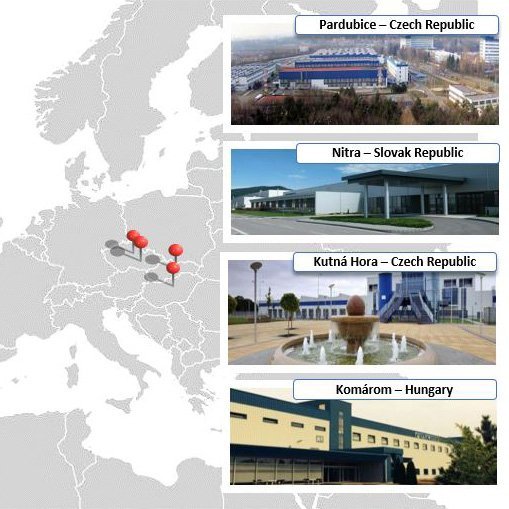
The mechanical division is a key part of our business. We specialize in 'High-Mix Low-Volume' manufacturing. That means we can produce high-quality products even in small quantities. We offer short production lead times, manufacture products of various sizes, and utilize a wide range of technologies and processes. Our production focuses primarily on European markets.

We can adapt to various customer needs. 

Marián Stuľák
Operations Manager

Our strengths include:

  • A stable company with a base in the Czech Republic (over 20 years of history)
  • Custom and serial production
  • Meeting high quality requirements
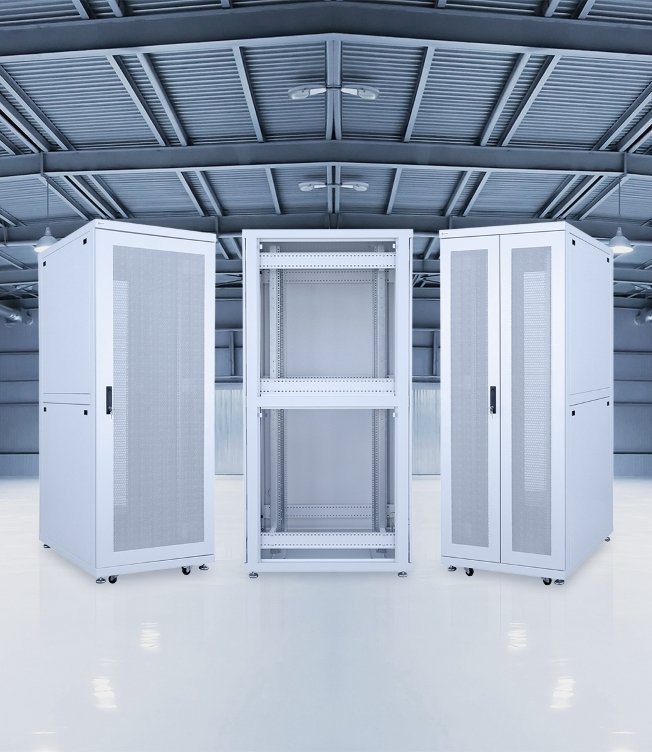
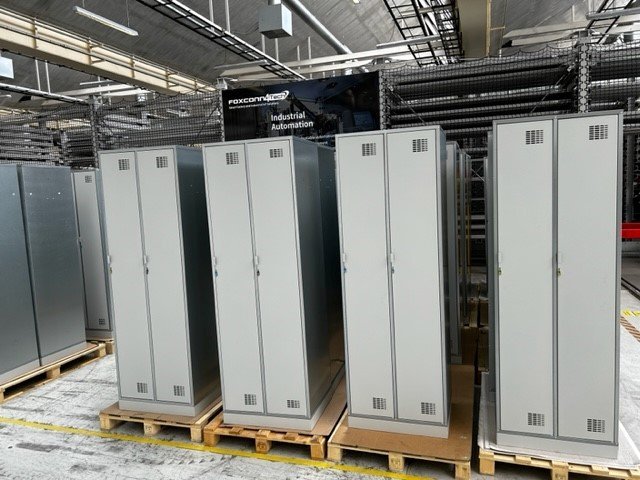
  • Short lead times for complex products (energy storage systems, racks, etc.)
  • Europe-wide supply chain solutions including logistics and storage
  • Tailored solutions prepared directly for customers

Cooperation with us


Technology empowers

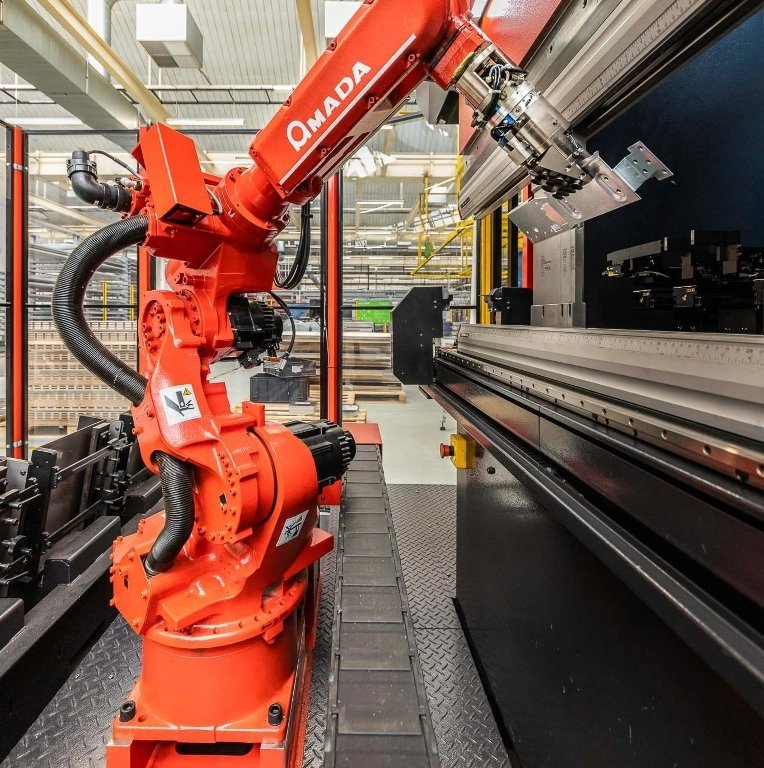
Automated technology in mechanical manufacturing provides high precision, speed, and repeatability of production processes. This leads to lower costs and increased production efficiency. Automation also allows production of complex products with high quality and consistency. The flexibility of manufacturing processes enables quick response to changes in market demand. Overall, automated technology brings benefits for both manufacturers and customers.


Powder coating

Powder coating

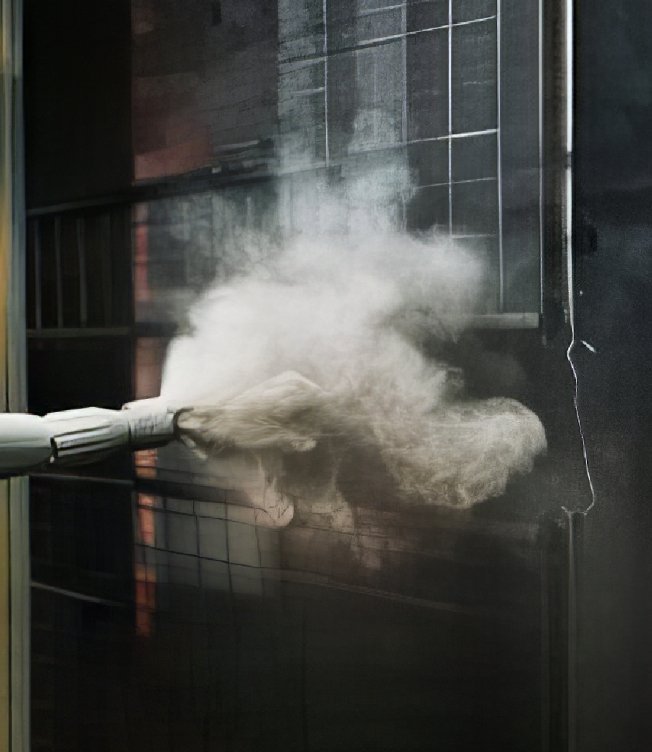
Powder coating is a finishing process that involves applying dry powder to a surface (typically metal) and then curing it in an oven. The powder is electrostatically charged, which causes it to stick to the surface. Powder coating provides a durable, long-lasting surface that is resistant to chipping, scratching, and fading. The finish can be matte, glossy, or textured, depending on the desired appearance. Overall, powder coating is a versatile and effective method of final finishing that provides many advantages over traditional surface-finishing methods. Due to its durability, aesthetics, and effectiveness, it is a popular choice for manufacturers in many sectors of industry.
Laser cutting, punching, bending, riveting, ...

Laser cutting,
punching, bending, riveting, ...

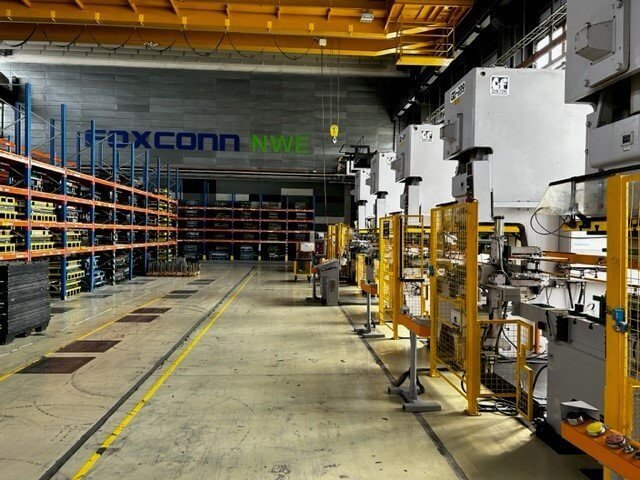
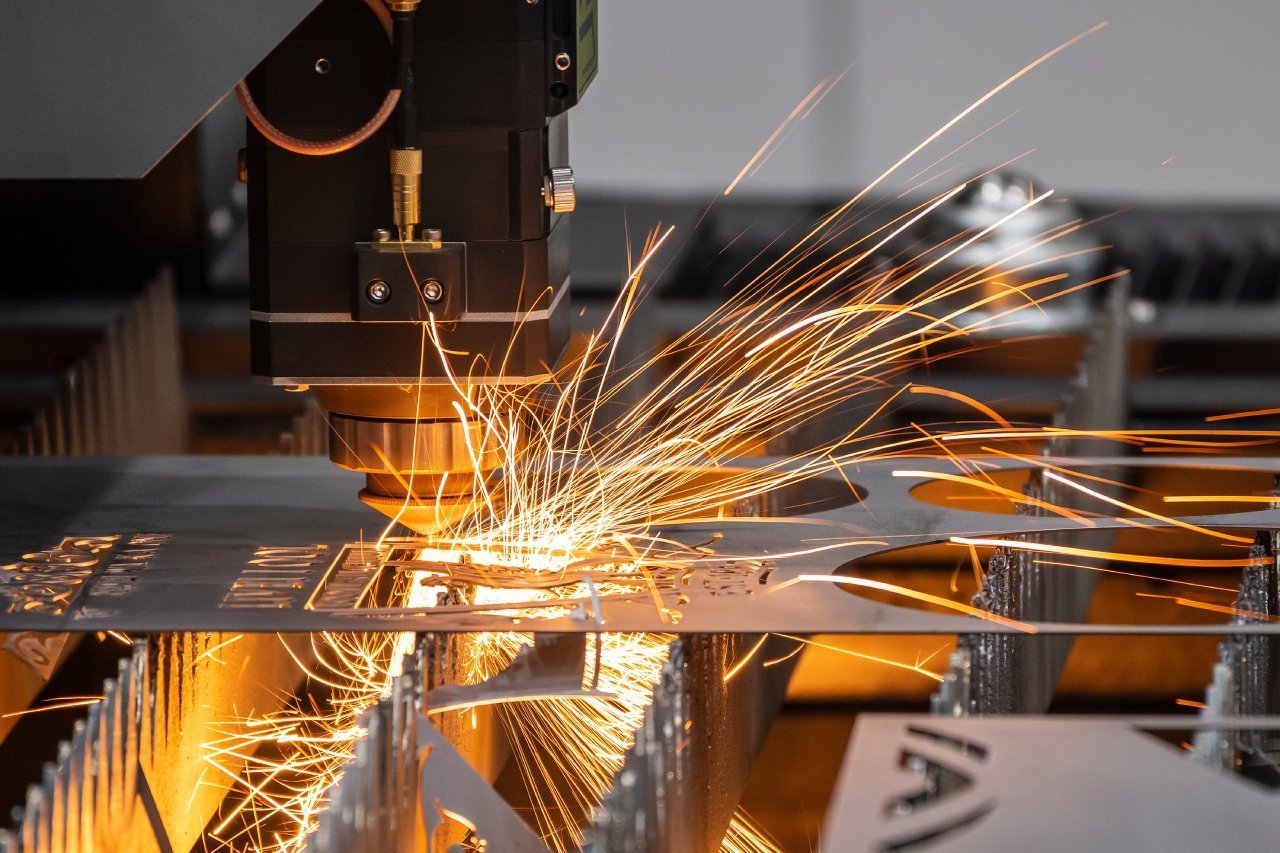
Soft tooling is a valuable capability for manufacturers. It allows them to create parts quickly and inexpensively while maintaining a high degree of precision and quality. It is particularly useful for the 'High-Mix Low-Volume' production method. There are several technologies associated with soft tooling solutions, such as laser cutting, NCT punching, drilling, burr removal, bending, and others.
Welding, aluminum welding (CMT)

Welding,
aluminum welding (CMT)

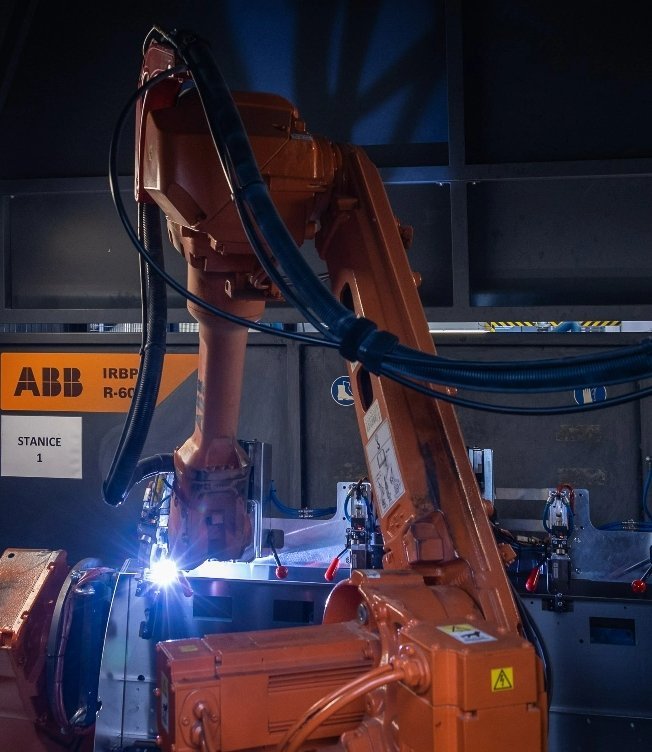
Welding is a manufacturing process that involves joining two or more pieces of metal together using heat and/or pressure. There are several types of welding methods, each with its own advantages and limitations. Foxconn uses the CMT technology. A key advantage of CMT welding is its low thermal input. The pulsed arc helps to reduce heat input, resulting in less deformation, less material distortion, and less residual stress on welded parts. The pulsed arc helps to control the amount of deposited filler metal, leading to consistent and precise welds. The technology also allows better control of the welding process, resulting in fewer defects and higher quality welds.
Powder coating

Powder coating

Powder coating is a finishing process that involves applying dry powder to a surface (typically metal) and then curing it in an oven. The powder is electrostatically charged, which causes it to stick to the surface. Powder coating provides a durable, long-lasting surface that is resistant to chipping, scratching, and fading. The finish can be matte, glossy, or textured, depending on the desired appearance. Overall, powder coating is a versatile and effective method of final finishing that provides many advantages over traditional surface-finishing methods. Due to its durability, aesthetics, and effectiveness, it is a popular choice for manufacturers in many sectors of industry.
Multi-level assembly

Multi-level assembly

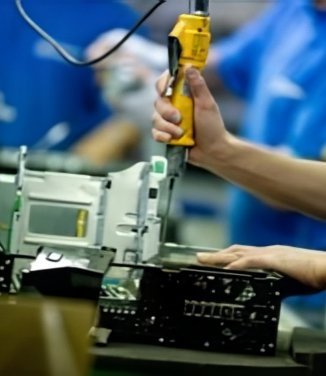
Multi-level assembly refers to a manufacturing process that involves assembling products or components at different levels of complexity. Multi-level assembly can help improve efficiency by breaking the manufacturing process down into smaller, more manageable steps. This can help reduce overall production time and costs. By breaking the manufacturing process down, multi-level assembly can help improve efficiency, accuracy, and customization, while also ensuring a high-quality end product.

Products

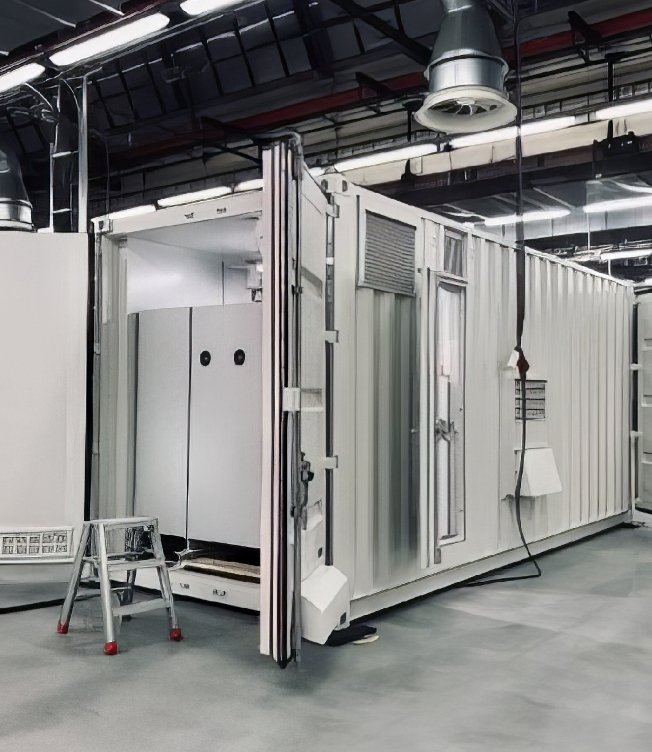
These technologies are widely used in various industrial sectors and enable the production of different products with different functions and properties. For example, in the automotive industry, they are used for producing interior parts, air conditioning units, and aluminum frames. In the consumer goods industry, they find application in the production of covers, light guides, with hard tool technology, and even large series of one type of product. In the electronics industry, they are typically used as enclosures for electronic devices, including components installed inside the unit. Welding, riveting, and bending enable the production of bases. Powder coating protects the surface, and together with multi-level assembly, we can even produce energy storage systems.


Certificates

Our certifications prove the quality of the delivered products that meet strict standards and requirements.

ISO 9001 Quality management system (QMS)
ISO 14001 Environmental management system (EMS)
ISO 45001 Occupational health and safety management system (OHSMS)
ISO 13485 Quality management system for medical devices
ISO 50001 Energy management system for reducing energy consumption
TAPA Security requirements for cargo transportation and protection of assets during logistics operations
ČSN EN ISO 6520 Welding and related processes - Classification of geometric imperfections in metallic materials
ČSN EN ISO 10042 Welding - Arc-welded joints in aluminum and its alloys
ČSN EN ISO 3834 Quality requirements for fusion welding of metallic materials
ČSN ISO/TR 15608 Welding - Guidelines for grouping of materials
ČSN EN ISO 14554 Quality requirements for welding - Resistance welding of metallic materials
ČSN EN 1090-3 Execution of steel structures and aluminum structures"
  • Fields marked with an asterisk* are required.

This website uses cookies

For the proper operation of the website only necessary essential cookie files are activated. However, optional cookies must be enabled for full service delivery, ad personalization and traffic analysis. Use the following button to turn them on. More information.

Settings

Your privacy is important. You can choose from the cookie settings below. More information.